A seven-day private-vehicle ticket costs $30 from May 22 through October 31, or $20 from November 1 through May 21. The $55 regional annual pass is available to U.S. citizens and residents.
Does visiting twice always make the annual pass cheaper?
No. Compare separate paid ticket periods, not the number of times you drive through the gate. Two winter tickets cost $40; two summer tickets cost $60. The $55 annual pass saves $5 only in the summer example. Two entries within one valid seven-day ticket do not mean buying two tickets.
Two separately charged Crater Lake ticket periods
Your dates
Tickets
Annual pass
Both summer
$60
$55
Both winter
$40
$55
Summer + winter
$50
$55
Examples assume one qualifying private vehicle, an eligible annual-pass buyer, no existing pass or fee exemption, and two separately charged admission periods within one annual-pass year. Other trip combinations can change the result.
It also covers Lassen Volcanic National Park, Lava Beds National Monument and Whiskeytown National Recreation Area. For a private vehicle, the pass covers the holder and accompanying occupants. Check this option before buying separate tickets for those sites.
The current park fee page says no entry reservation is needed. A covering pass or entrance ticket is still required. This does not reserve a campsite, room or tour, or guarantee that roads are open on your date.
This is a regional pass, not just a Crater Lake pass. Its value depends on your seasonal ticket costs and the other covered sites you visit. The calculator combines its coverage when your trip includes Crater Lake and Lassen Volcanic.
Current NPS guidance says vehicle reservations are not needed for park entry. Use the official park page to check activity bookings and current conditions for your dates; no 2027 policy is inferred here.
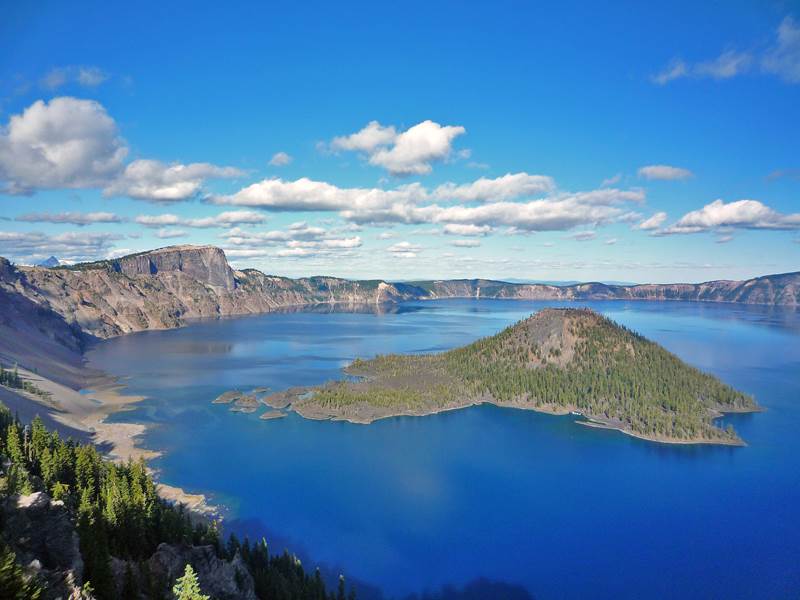
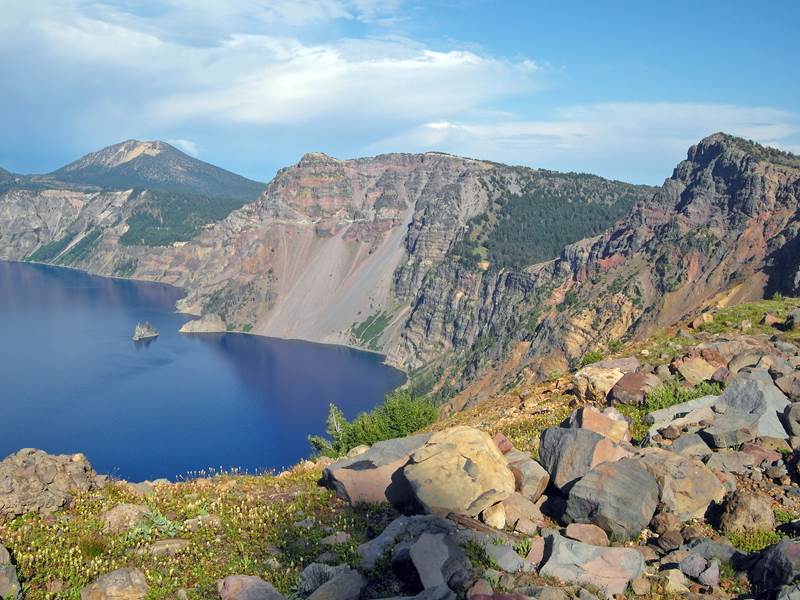
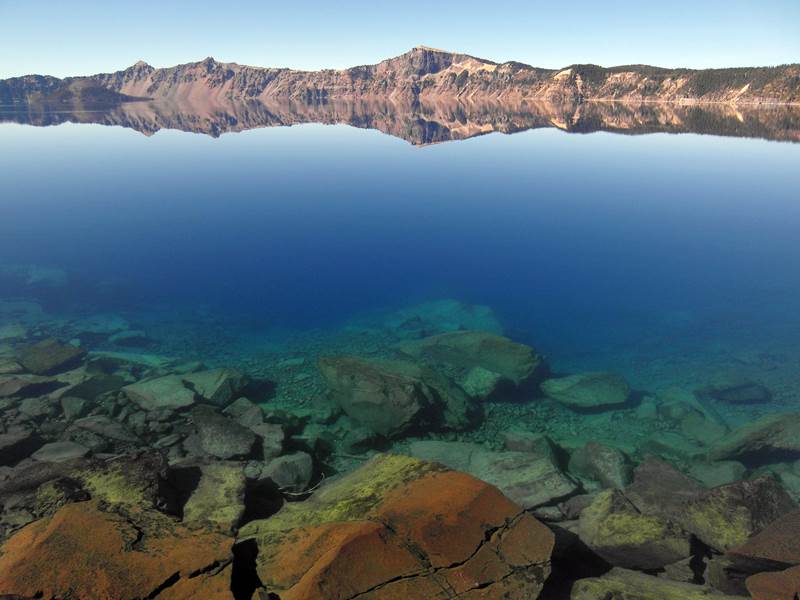
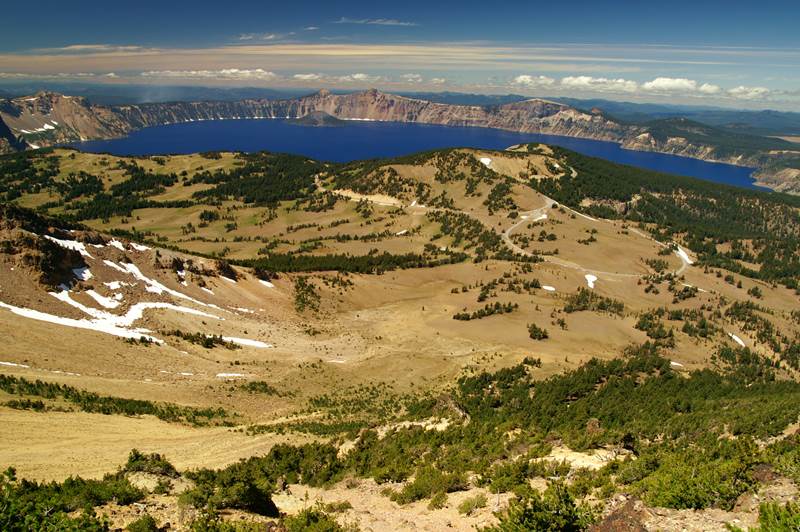
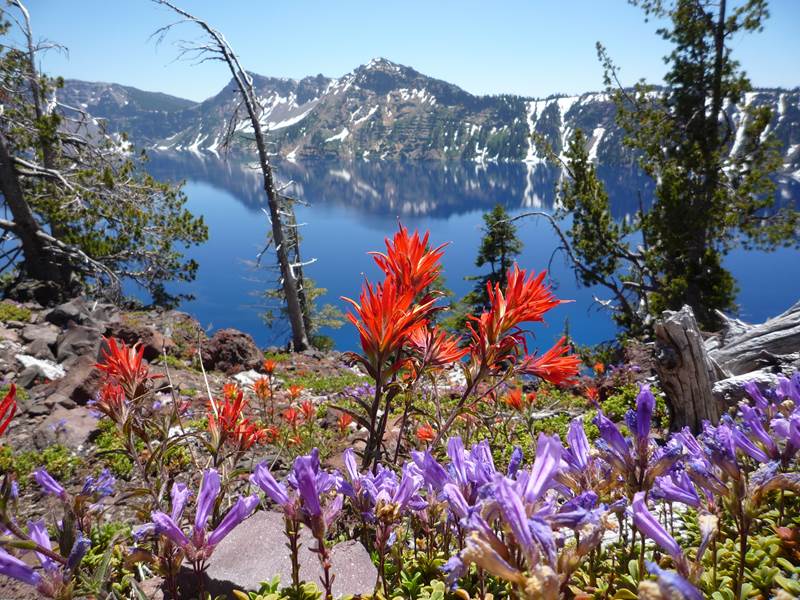
Crater Lake inspires awe. Native Americans witnessed its formation 7,700 years ago, when a violent eruption triggered the collapse of a tall peak. Scientists marvel at its purity—fed by rain and snow, it’s the deepest lake in the USA and one of the most pristine on Earth. Artists, photographers, and sightseers gaze in wonder at its blue water and stunning setting atop the Cascade Mountain Range.
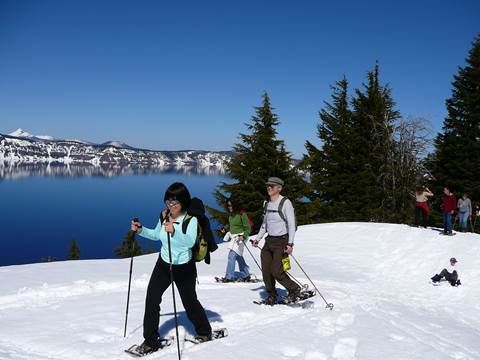
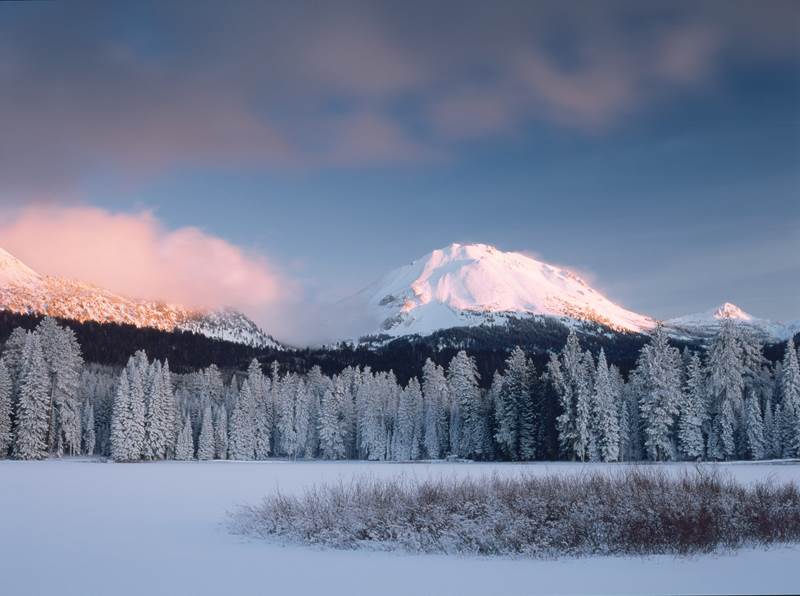
July, August, and September are your best bets for warm, dry weather. In May, June, and October, sunny days alternate with periods of rain and snow. Winters at Crater Lake are long and snowy. Storms from the Pacific Ocean dump an annual average of 41 feet (13.5 meters) of snow at park headquarters. When it's raining or snowing, the lake is usually hidden by clouds. Crater Lake is completely invisible about 50% of the time in the winter!
Hours
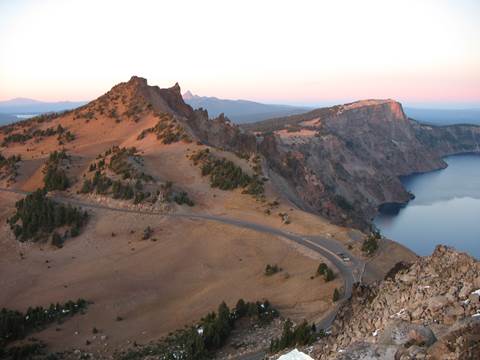
Crater Lake National Park is open year-round, 24 hours a day. Some roads, trails, and facilities, however, are closed seasonally due to snow. North Entrance Road, and West and East Rim Drives close for the season on November 1 (or earlier if there is significant snowfall). Crews begin removing snow from these roads in April, but opening dates vary. The North Entrance Road and West Rim Drive tend to open in early June. The East Rim Drive typically opens in early July.
Getting there
From the west (Medford) - Take Hwy 62 to the West Entrance. Open year-round. From the south (Klamath Falls) - Take Hwy 97 north to Hwy 62 to the South Entrance. Open year-round. The North Entrance is on Hwy 138 and is accessed from Interstate 5 east at Roseburg or Hwy 97 south from Bend and Chemult. Winter travelers from Roseburg take Route 138 east to Route 230 south to Route 62 east to the park's west entrance. Travelers from Bend take Route 97 south to Route 62 to the park's south entrance.
Prices checked by hand against the park's fees page on October 28, 2026 (page last updated April 22, 2024).
Crater Lake National Park fees on nps.gov. Prices, park information and photos from the NPS Data API, checked October 29, 2026. Photos credited to the National Park Service.